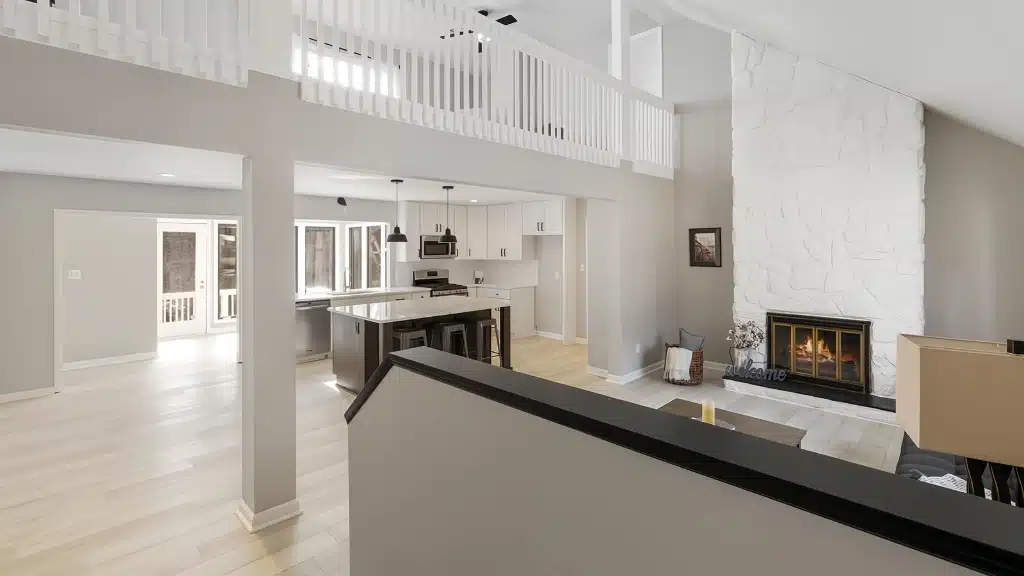
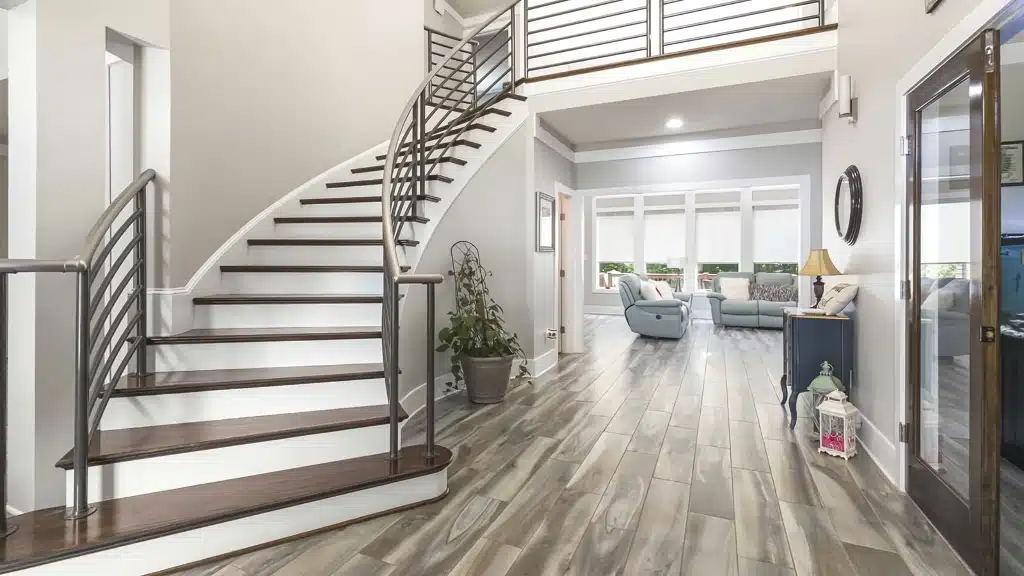
Load-bearing wall removal is one of the most impactful remodeling projects you can undertake when you want to open up your home’s floor plan. Removing the right wall can transform a compartmentalized home into a bright, open living space that changes how your family uses every connected room.
However, not every wall can simply be taken down. Many interior walls are load-bearing, meaning they support the weight of the structure above them. Removing a load-bearing wall without proper engineering and support is dangerous and can cause serious structural damage to your home.
This guide explains how load-bearing walls work, what the removal process involves, and why this type of project always requires professional expertise.
How to Tell If a Wall Is Load-Bearing
Understanding whether a wall is load-bearing is the critical first step. Here are general indicators, though a professional assessment is always necessary before making any decisions.Signs a Wall May Be Load-Bearing
- It runs perpendicular to the ceiling joists or roof trusses. Walls that run at a right angle to the structural framing above them are more likely to carry load.
- It sits at or near the center of the home. Load-bearing walls are often positioned to support the longest span of the roof or upper floor structure.
- It is directly below another wall on the floor above. In two-story homes, load-bearing walls on the first floor typically support walls, floors, or structures on the second floor.
- It connects to the foundation. Walls that sit directly above a beam or foundation wall in the crawl space or basement are often load-bearing.
- It is an exterior wall. Nearly all exterior walls are load-bearing.
Signs a Wall May Not Be Load-Bearing
- It runs parallel to the ceiling joists or roof trusses
- It was clearly added after original construction (a partition wall)
- It does not align with any structural support below
Why You Should Never Guess
These indicators provide general guidance, but they are not definitive. The only way to confirm whether a wall is load-bearing is to have the structure evaluated by a qualified professional, either a structural engineer or an experienced remodeling contractor who works with structural engineers. In many Plano, Frisco, and McKinney homes, the framing is concealed behind drywall, making visual identification unreliable without proper investigation. Our team evaluates wall structures as part of our standard consultation process for any project that involves wall removal.What the Removal Process Involves
Removing a load-bearing wall is a multi-step process that requires careful planning and execution. Here is what to expect.
Step 1: Structural Engineering
Before any physical work begins, a licensed structural engineer evaluates the wall and the loads it carries. The engineer produces a plan that specifies the size, material, and placement of the replacement beam that will carry the load once the wall is removed.
This engineering plan is not optional. It is required by building code and essential for the safety of your home.
Step 2: Permits
In most North Texas municipalities, including Plano, Frisco, Allen, McKinney, and Richardson, removing a load-bearing wall requires a building permit. The permit application typically includes the structural engineer’s drawings and calculations. Permit requirements vary by city, but the process generally involves submitting plans for review, receiving approval, and scheduling inspections at key stages of the work.
Permit requirements vary by city, but structural modifications must follow applicable building codes and safety standards. Homeowners and contractors can reference the International Residential Code for general residential construction requirements.
Important note for Texas homeowners: Working without a required permit can create serious problems. Unpermitted structural work can complicate home sales, void insurance coverage, and create liability issues.
Step 3: Preparation and Temporary Supports
Before the wall comes down, temporary support structures are installed to carry the load while the permanent beam is being placed. These temporary supports transfer the weight to the floor and foundation, keeping the structure stable throughout the process.
During this phase, the contractor also identifies and reroutes any mechanical systems running through the wall, including electrical wiring, plumbing lines, and HVAC ductwork.
Step 4: Wall Removal
With temporary supports in place and mechanical systems addressed, the wall is carefully removed. This is a controlled process, not a dramatic demolition. The studs and framing are removed methodically to maintain stability.
Step 5: Beam Installation
The engineered beam is installed in the opening where the wall previously stood. The beam is supported at each end by posts that transfer the load down to the foundation. In some cases, the beam is concealed within the ceiling plane, creating a clean, seamless look. In other cases, the beam remains partially exposed, which can become an architectural feature.
The beam material depends on the load and span requirements. Common options include laminated veneer lumber (LVL), steel I-beams, and engineered wood beams.
Step 6: Finishing
After the beam is installed and inspected, the surrounding surfaces are finished to match the existing home. This includes drywall, texture, paint, trim, and flooring. When done well, the finished result looks as though the wall was never there.
Cost Factors
- The span of the opening. Wider openings require larger, more expensive beams and may need additional support posts.
- The load above the wall. Walls supporting a second floor or heavy roof structures require more robust engineering than single-story walls supporting only a roof.
- Mechanical systems in the wall. Rerouting electrical, plumbing, or HVAC adds complexity and cost.
- Finishing requirements. Matching existing flooring, ceiling texture, and trim throughout the new opening affects the scope of finish work.
- Permit and engineering fees. These are necessary costs that vary by municipality and project complexity.
- Accessibility. The ease of accessing the work area and the beam delivery logistics can affect labor costs.
A free on-site consultation is the best way to understand what your specific project will involve. Our team will evaluate your home’s structure, discuss your goals, and provide a clear, detailed estimate.
Why This Is Not a DIY Project
- Structural failure. Sagging floors, cracked drywall, and misaligned doors are early signs that a structure is under stress. In severe cases, improper wall removal can lead to partial collapse.
- Code violations. Unpermitted structural work can result in fines and mandatory corrections.
- Insurance problems. Damage caused by unpermitted structural modifications may not be covered by your homeowner’s insurance.
- Resale complications. Buyers and their inspectors will identify unpermitted structural changes, which can delay or kill a sale.
Even experienced DIY homeowners should hire a professional contractor and structural engineer for load-bearing wall removal. This is a project where the stakes are too high to take shortcuts.
How Wall Removal Connects to Kitchen and Whole-Home Remodeling
- Creating open great rooms by combining a formal living room and dining room
- Expanding master bedrooms by incorporating an adjacent room or closet
- Improving flow between main living spaces in homes with choppy floor plans